
Top 5 Challenges Residential Developers Face in Planning Solar Installations in Northern England and Scotland

Residential developers in Northern England and Scotland are increasingly looking to incorporate solar installations into new housing developments. Solar power offers a sustainable energy source that can reduce carbon footprints and appeal to environmentally conscious buyers. Yet, planning and implementing solar systems in these regions comes with unique challenges. Understanding these obstacles helps developers prepare better and avoid costly delays or design compromises.
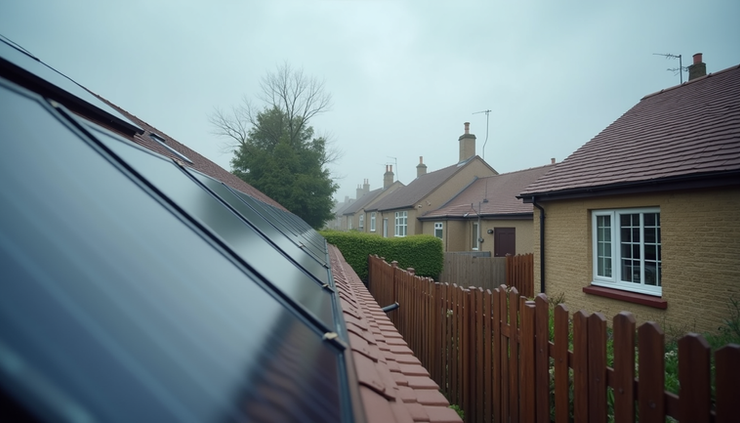
1. Weather and Climate Impact on Solar Efficiency
Northern England and Scotland have some of the lowest average sunlight hours in the UK. Cloud cover, rain, and shorter daylight periods during winter months reduce solar panel efficiency. This climatic reality means developers must carefully assess whether solar installations will deliver the expected energy output.
Reduced energy generation can affect the financial viability of solar projects.
Developers often need to oversize solar arrays or combine solar with other renewable technologies to meet energy targets.
Choosing high-efficiency panels designed for low-light conditions can help but increases upfront costs.
For example, a development in the Scottish Highlands reported a 20% lower solar yield compared to southern England, requiring additional battery storage to maintain energy reliability.
2. Planning Permissions and Local Regulations
Planning rules vary significantly across councils in Northern England and Scotland. Some local authorities have strict guidelines on solar panel placement, especially in conservation areas or near listed buildings.
Developers must navigate complex planning applications that can delay projects.
Restrictions on roof-mounted panels or ground arrays may limit design options.
Some councils require detailed environmental impact assessments before approval.
In Edinburgh, a residential project faced delays due to concerns about solar panels affecting the visual character of a historic neighborhood. Early engagement with planning officers and heritage consultants proved essential to secure permission.
3. Roof Design and Orientation Constraints
The effectiveness of solar panels depends heavily on roof orientation and pitch. Many new developments in these regions feature roofs designed for aesthetics or space rather than optimal solar exposure.
South-facing roofs generate the most energy, but not all homes have this orientation.
Developers must balance architectural design with solar efficiency.
Complex roof shapes or shading from nearby buildings and trees reduce panel performance.
For instance, a housing estate in Manchester had to redesign several homes to include larger, south-facing roof sections after initial solar feasibility studies showed poor energy returns on east- or west-facing roofs.
4. Grid Connection and Infrastructure Limitations
Connecting solar installations to the local electricity grid can be challenging in rural or less densely populated areas of Northern England and Scotland.
Grid capacity may be limited, requiring upgrades that add cost and time.
Developers must coordinate with distribution network operators (DNOs) to secure connections.
Delays in grid approval can stall entire developments.
A development in Cumbria experienced a six-month delay because the local grid could not handle the additional solar input without reinforcement. Early technical assessments and budgeting for potential grid upgrades are critical.
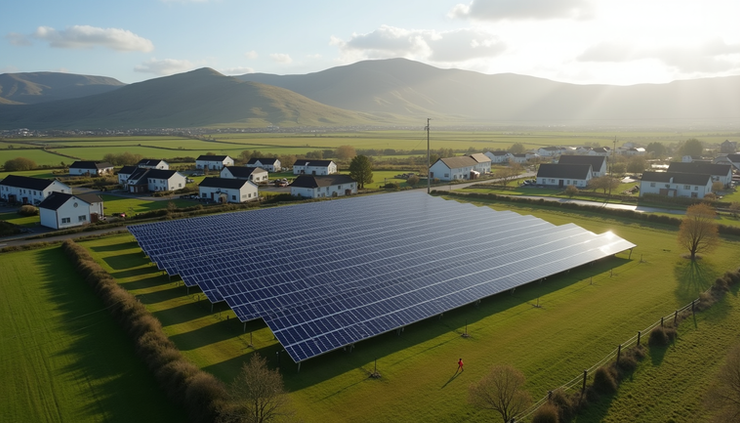
5. Cost and Financial Incentives
While solar technology costs have decreased, the initial investment remains significant. Developers must weigh installation expenses against long-term savings and market appeal.
Limited or changing government incentives in the UK affect project economics.
Developers need to consider return on investment timelines carefully.
Incorporating solar may increase home prices but also construction budgets.
In Scotland, the closure of certain feed-in tariffs has reduced financial incentives, pushing developers to rely more on energy savings and buyer demand. Some have turned to community energy schemes or partnerships to share costs and benefits.
Residential developers in Northern England and Scotland face a range of challenges when planning solar installations. Weather conditions, planning regulations, roof design, grid infrastructure, and financial factors all influence project success. By understanding these hurdles early, developers can design smarter, engage stakeholders proactively, and deliver homes that meet sustainability goals without compromising timelines or budgets.

Comments